What “Edinburgh Cool” looks like in 2026
6th May 2026

Edinburgh has never tried to be cool. That might be why it suddenly is.
For a city so defined by tradition – its stone, its rituals, its careful relationship with change – “cool” has always felt like a slightly misplaced word. For decades, the city’s identity leaned heavily on tradition, historical significance and its Georgian built environment. But in recent years, something has shifted. The city hasn’t abandoned its past; it’s opening it up to what comes next. What’s emerged feels informed by wider cultural shifts – but grounded firmly in Edinburgh’s own character.
The most obvious shift is on the plate. Small or sharing plate restaurants are not a new concept. Places like Little Capo and Stockbridge Eating House show why the small-plates model is working so well in Edinburgh right now. Little Capo brings the bar-led, Italian-ish format long familiar in London and New York – flexible menus, strong drinks, and a room that works just as well for a quick plate as a full evening. Stockbridge Eating House applies the same logic at neighbourhood scale: short, regularly changing menus that encourage repeat visits rather than one-off hype. Then there’s Nishiki, which taps into the izakaya-style dining popular across both cities, blending Japanese small plates with sake, wine and all-day café culture. Together, they reflect what Edinburgh has learned from its big city counterparts down south and across the pond: that variety, pace and adaptability matter more than spectacle, and that restaurants built around how people actually socialise tend to last.
This shift extends to supper clubs, which have quietly become one of the city’s most interesting cultural formats. Less polished than restaurant dining and more structured than a dinner party, they sit somewhere in between – closer in spirit to the home-hosted, community-led scenes found in cities like Copenhagen or Melbourne. Often held in private homes, studios or borrowed spaces, these gatherings favour conversation over choreography. The appeal isn’t access or novelty, but proximity – to food, to people and the act of sharing a table.

Listening bars are still relatively under the radar in Edinburgh, but their appeal is growing. Borrowed from long-standing scenes in Tokyo and quietly adopted by a handful of UK cities, the format is simple: music is the point, not the backdrop. The Caley Bar has emerged as the city’s clearest expression of this idea – a space built around turntables, considered sound, and a room arranged for paying attention rather than talking over playlists. It signals a wider appetite for slower, more intentional evenings that don’t revolve around volume or late nights. In the context of Edinburgh’s changing social habits, the listening bar feels less like a novelty and more like a natural next step: somewhere to gather, drink well, and actually hear the music.
Then there’s the rise of organised, low-pressure gatherings – run clubs, creative sessions, shared activities – which speak to a generational shift in how people choose to socialise. For those in their late twenties through to their forties, these formats offer connection without the cost – financial or physical – of late nights and heavy drinking. Run clubs function as social anchors as much as fitness routines, meeting early, moving through the city together and ending over coffee or a low-sip rather than alcohol. Creative sessions like paint-and-sips or monthly book clubs provide a similar alternative: structured, sociable, and low-stakes, without the noise or pressure of traditional nightlife. Together, they point to a version of “Edinburgh cool” defined less by where you’re seen at night, and more by the communities you return to – regular, repeatable gatherings that fit into everyday life rather than sitting outside it.
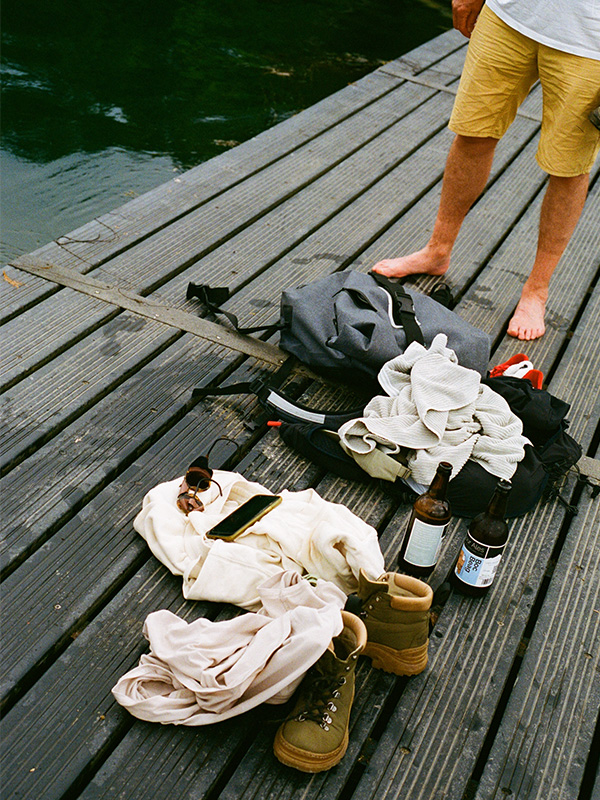
Furthermore, the city’s relationship with “going out” has, for many, been replaced by “going in” – into the sea, into a sauna, into routines that feel restorative rather than excessive. Hangover-free Sundays have become the norm, bringing with them a growing appetite for wellness rituals that are as social as they are personal. Cold water dips at Portobello, long coastal walks, and sessions at Soul Sauna are no longer novelty activities but familiar meeting points in the weekly calendar. Like much of Edinburgh’s evolving “cool”, this version of wellness is low-drama and community-led. No memberships required, no aesthetics to perform – just open water, hot steam, and conversation that happens naturally while you warm back up. Towels replace pints, thermos flasks replace cocktails, and the appeal lies less in endurance than in the shared after-effect: clarity, calm, and the quiet satisfaction of having done something that leaves you feeling better than when you arrived.
What ties all of this together is not a new aesthetic, but a new set of habits.
Edinburgh hasn’t suddenly discovered edge, nor has it tried to compete with louder cities. Instead, it has adjusted how its spaces are used and how its people spend their time. Meals are more flexible, cafés double as meeting rooms. Music is listened to properly. Social life has moved into mornings, coastlines and communal tables. The emphasis is no longer on occasion, but on frequency – places you return to, rituals you repeat, people you see often.
That is what “Edinburgh cool” looks like in 2026. Less about being seen in the right places, more about being in the right places often.
Read more like this

The Commonwealth Games

Townhouse x Eggbreak Returns
