The Scotsman Who Saved The American Wilderness

July 2025, Words by Rob Crossan

The fascinating tale of how one Scotsman became responsible for the modern national park system.

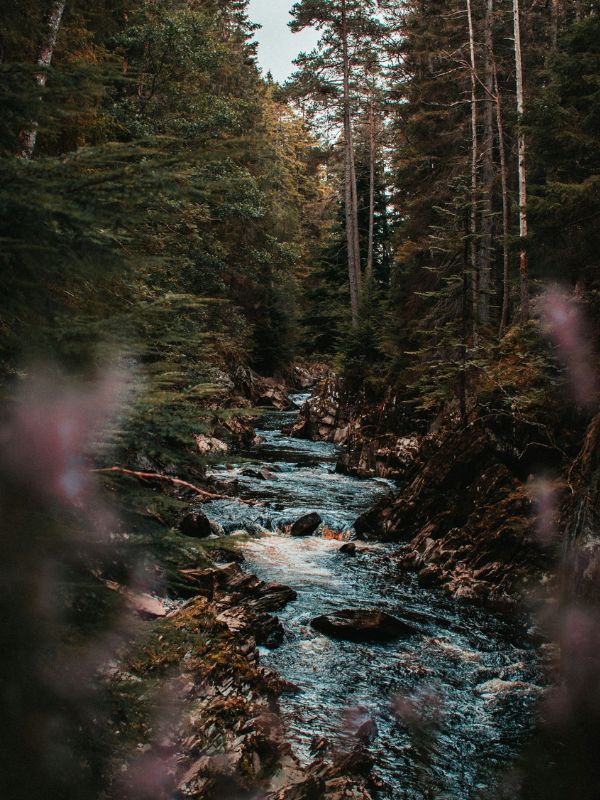
Scotland’s diverse and dramatic landscape has remained part of its armoury since what seems like the beginning of time. Its people have harnessed the power of lochs, glens, and mountaintops to build castles, conceal ambushes, and graze livestock, and the country’s great expanses of wilderness make it feel truly unique in a world populated by eight billion people.

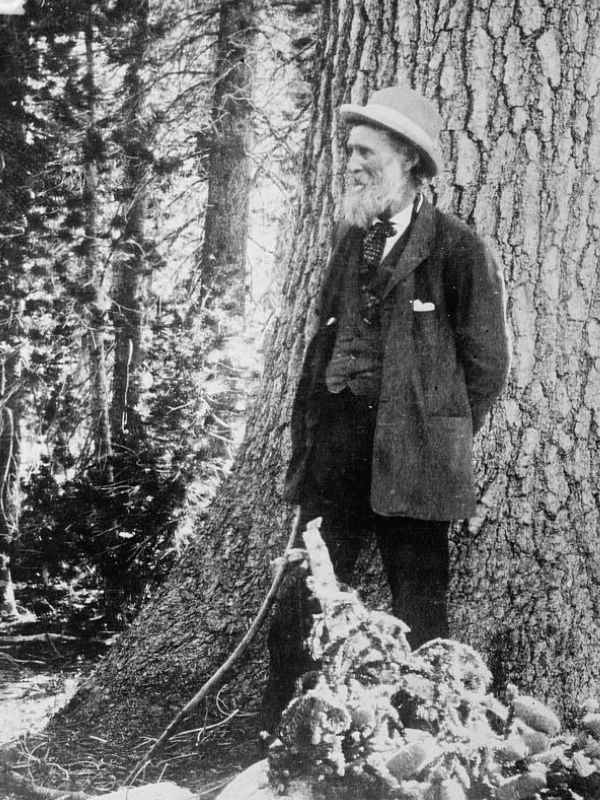
Scots have always cherished the sense of freedom found in uninhabited, open spaces. They effusively speak of its merits in folklore, stories, and songs. Greats telling of its joy range from Sir Walter Scott to Robert Burns, but beyond the romance of copy, there’s a champion of the protection of natural resources who remains one of the biggest changemakers of the last century: John Muir.

It was in 1868 that Muir – who was 5000 miles from his hometown of Dunbar – stepped off a creaking vessel and made his way out of the San Francisco dockyard. It’s rumoured that he asked a stranger for the quickest way out of the city, towards, “anywhere wild”.

In mid-19th century West Coast America, there was a lot of ‘wild’ to choose from. Muir eventually headed towards Yosemite, where he would develop what the novelist, environmentalist and Pulitzer Prize winner Wallace Stegner would later call, “America’s Best Idea”.

That idea was to create national parks, a notion that spurred the creation of protected spaces across the world, including in his Scottish homeland. “Muir was part of a continuum”, says Jo Moulin, the Museum’s Officer for East Lothian Council who runs Dunbar’s John Muir Birthplace Museum. “He was inspired by those before him and went on to influence many others to value and protect the natural environment and to understand its crucial role in our survival.”

Working as a shepherd, John wandered for weeks on end. He climbed Mount Ritter, Whitney and Shasta; studied the flowers, trees and creatures of his new landscape; survived snowstorms, rode an avalanche and climbed a Douglas spruce for protection during a storm.

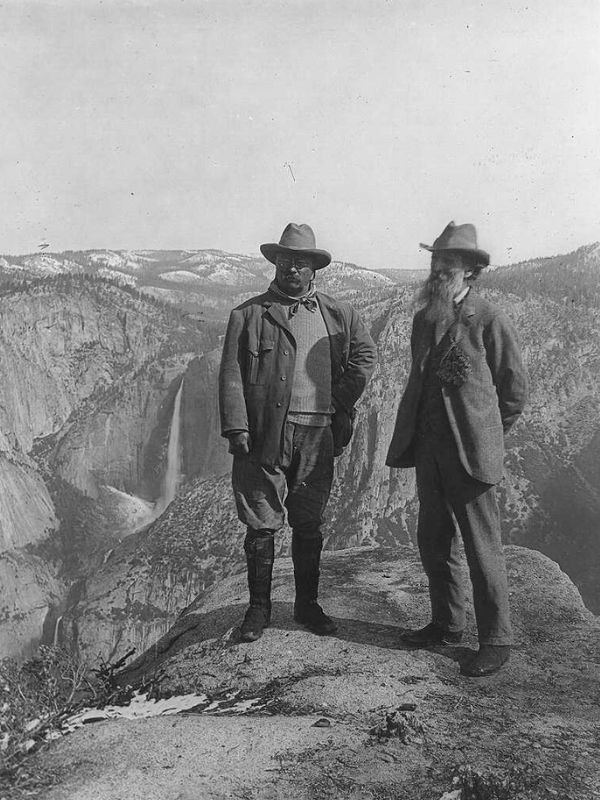
Muir’s writings for magazines and newspapers, proselytising on the wonders of nature, made him famous. But his prose became angry when loggers moved into Yosemite. He led calls for the Federal Government to protect these landscapes, eventually taking Theodore Roosevelt into the wilderness for a three-day trip of camping and lobbying.
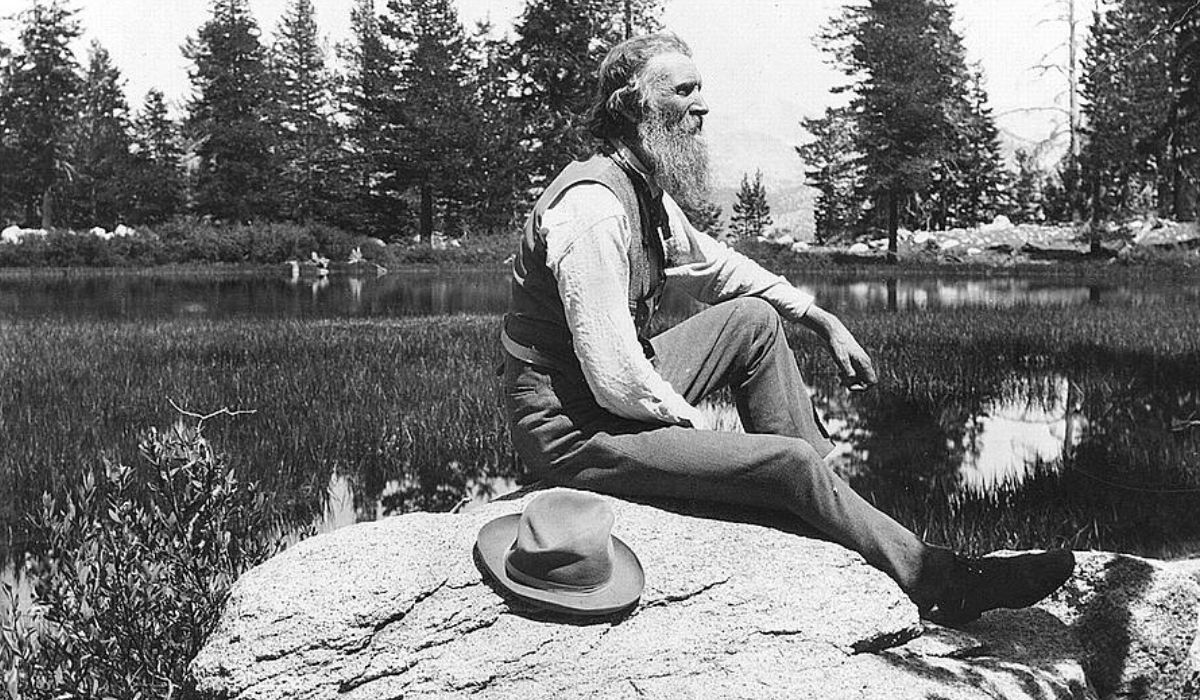
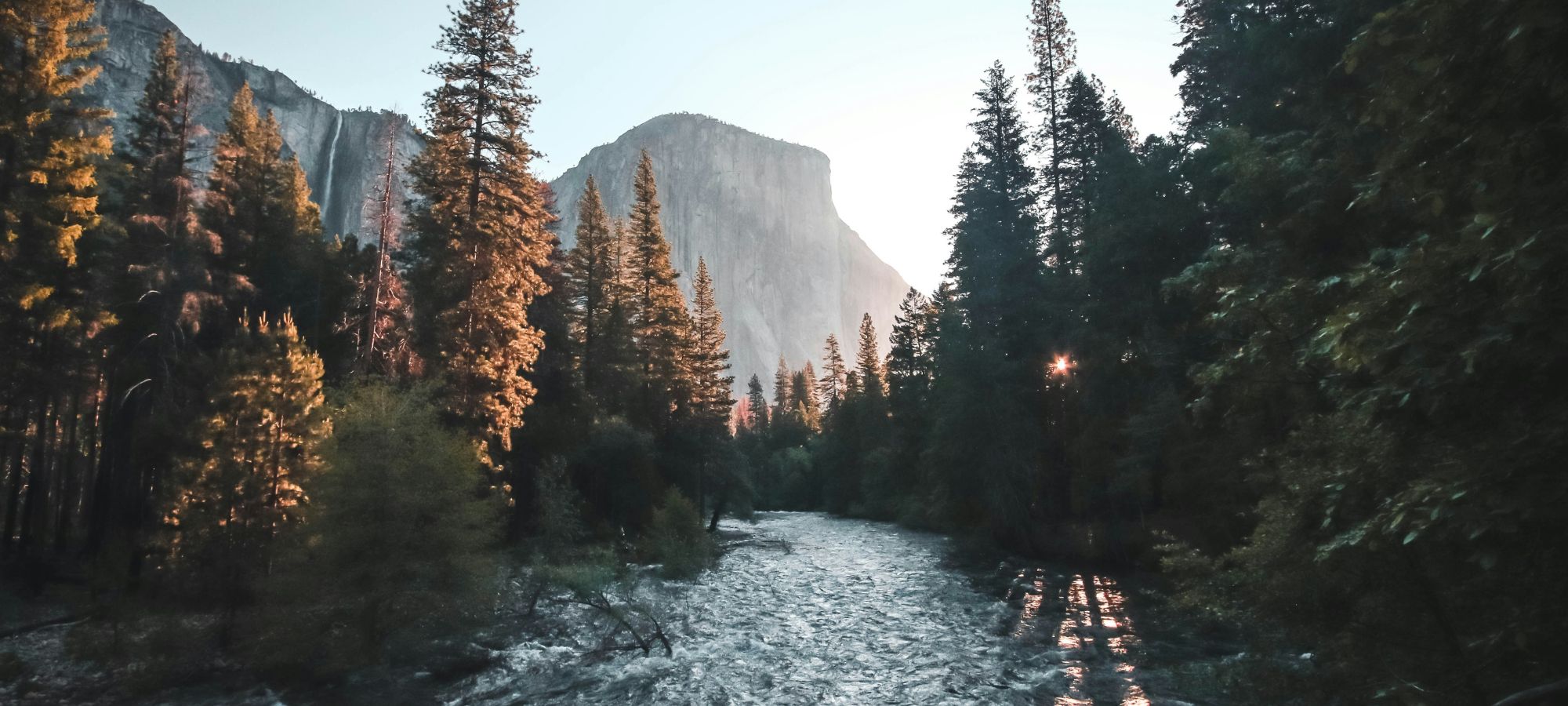
The excursion was a success, with Yosemite made into a national park in 1890, and several others created by the time of John’s death in 1914. Today, there are 63 national parks across the USA, with Scotland following suit in 2002 when it established its first national park in Loch Lomond and the Trossachs swiftly followed by the Cairngorms in 2003.

Today, 18 percent of Scotland’s land mass is protected, a notable achievement which shows just how important these natural landscapes – monumental, yet fragile – are for Scots. More strikingly, Scotland is inhabited by 65 people per square kilometre (compared to the UK average of 257) making much of Scotland’s wilderness a true tabula rasa when it comes to room for explorations.

Despite being an East Lothian man, Muir did eventually explore the natural beauty which surrounds Gleneagles. Returning to Scotland to tour his homeland in 1893 at the age of 55, Muir travelled from Edinburgh to Perth by train, rattling over the recently opened Forth Bridge.

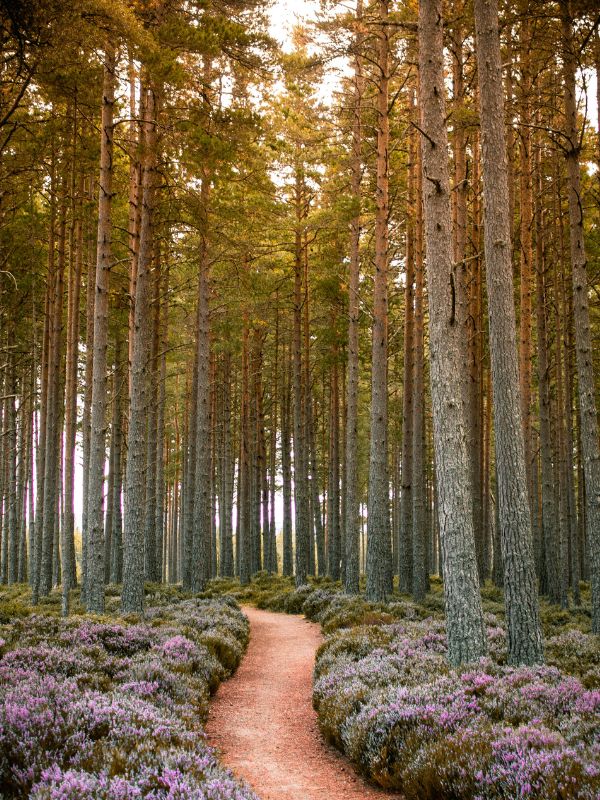
His journals and correspondence reveal that what he most adored about the region was the heather. In letters to his daughters that summer, in which he enclosed little sprigs of the flowers, he wrote, ‘The heather is just coming into bloom and it is glorious. Wish I could camp in it a month…”

Over a century after his death, Muir’s impact remains resolutely relevant: to champion the value of protecting wide open spaces where people can flourish physically and creatively.

Categories