Scotland: The Making of the First Rewilding Nation

August 2025, Words by Megan Murray

From making the country the first ‘rewilding nation’ to the introduction of Hedgehog Highways, here’s how Scotland is looking to support its precious flora and fauna.

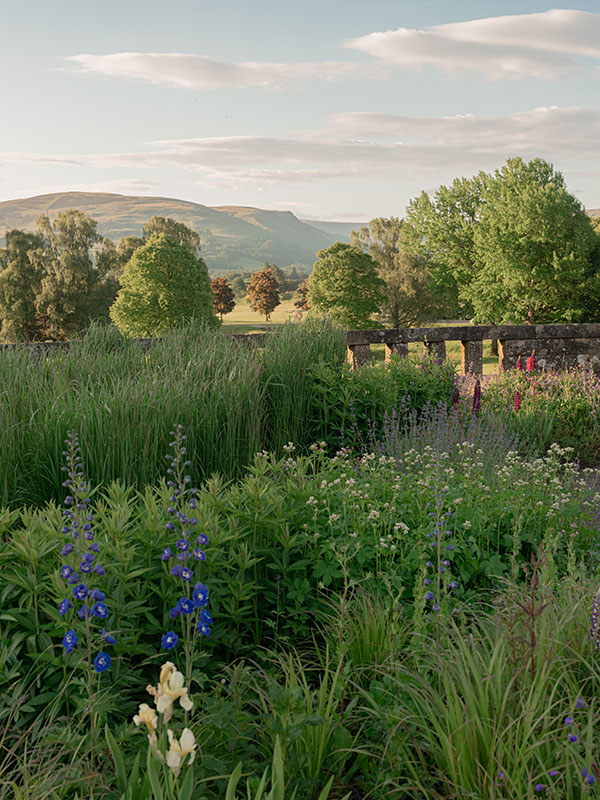
Looking out from Gleneagles’ iconic entranceway, across to the peaceful Ochil Hills, you’d be forgiven for thinking all is quiet. However, just like the hotel’s resident swans, underneath the surface is a flurry of activity. In the woods, lochs and glens, there’s a buzzing congregation of wildlife that keeps our habitats in a harmonious state of equilibrium.

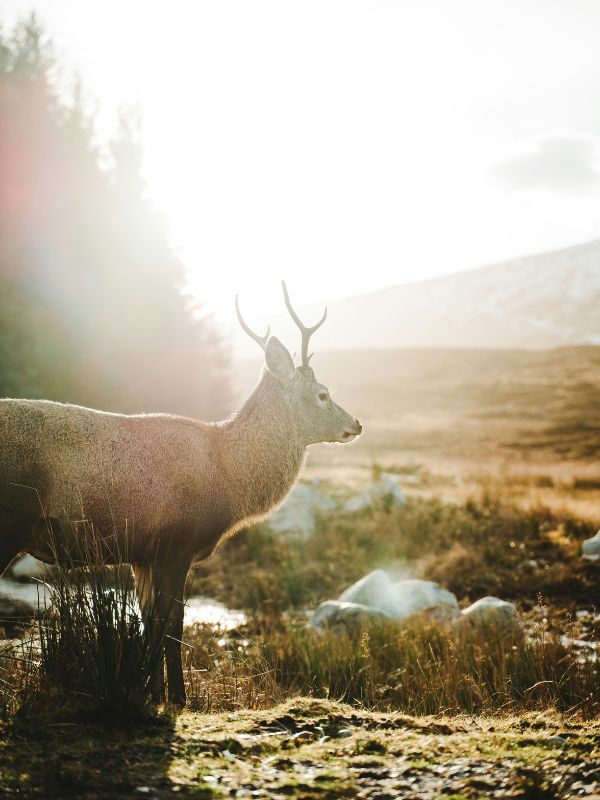
From majestic birds of prey to proud red deer, according to National Museums Scotland, Scotland is home to more than 90,000 species of wildlife. In a bid to protect and enhance biodiversity, 2024 kicked off an on-going 20-year plan in Scotland to halt and reverse nature loss with over 100 actions. Supported by The Scottish Government and known as The Biodiversity Strategy, it bolsters the country’s target of protecting at least 30% of land and sea for nature by 2030.

So, what does that look like day-to-day? The Scottish Wildlife Trust says “a huge effort is needed across the whole of society”. Locally in Auchterarder, the community has set up a Hedgehog Highway project. This two-year scheme is jointly led by Tayside Biodiversity Partnership and Perth & Kinross Countryside Trust and supported by funding from Gleneagles Hotel. It will focus on community-led hedgehog conservation strategies, promoting residents to create wildlife-friendly gardens to provide passage for nocturnal ramblers. Habitat loss and an increase in predators have seen hedgehog numbers reach an all-time low, and with urban greenery becoming one of their most desirable real estate options, these Highways allow hedgehogs to forage in up to 20 gardens a night while avoiding dangerous roads.

Meanwhile independent charity, SCOTLAND: The Big Picture, has a vision to make Scotland the world’s first rewilding nation. Alongside working towards the reintroduction of the Eurasian lynx, the charity aims to open people’s eyes to the concept of nature restoration through their Rewilding Journeys. A carefully crafted blend of discovery and inspiration, these journeys take guests to visit transformational rewilding initiatives and meet the inspiring people driving them forward. The charity’s Learning Days help attendees to develop their knowledge and understanding of specific rewilding themes through a one-day, expert-led training course. “Our Learning Days and Rewilding Journeys include content on the reintroduction of missing or threatened species to inform people’s understanding of these topics and explain why missing species are a crucial part of healthy ecosystems,” says Kirsten Brewster, Wildlife Comeback Lead at The Big Picture.

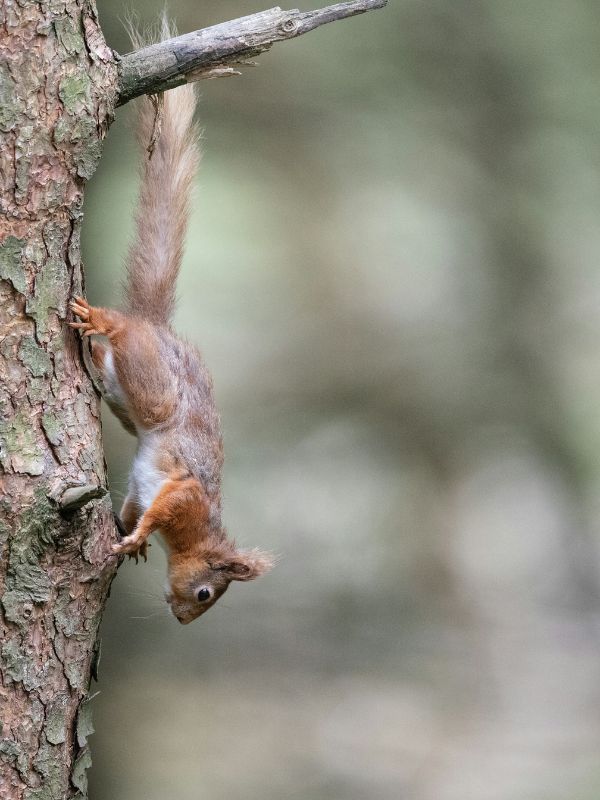
While fostering habitable environments is an important part of supporting near-extinct animals, sometimes even Scotland’s most committed conservationists need back-up. Take red squirrels; since the 1920s this species has been under threat by grey squirrels, with the Highlands becoming one of their last homelands. However, as the grey squirrel population has grown, extra measures are needed to halt their encroachment. Enter, the pine marten: as a grey squirrel predator, it’s the ideal partner in crime to help Forestry and Land Scotland protect the balance. In 2022, 35 pine marten dens were set up and annual reports have suggested that efforts have been successful, with thermal cameras showing pine marten reproduction as well as increased sightings of red squirrels. Encouragingly, as recently as August 2024, residents of East Dunbartonshire captured rare images of a red squirrel, making this one of the most southerly sightings in Scotland’s Central Belt for years. The Scottish Wildlife Trust, who led the Saving Scotland’s Red Squirrels project, says that increasing pine marten populations in the Central Lowlands may well have contributed to the sighting, along with grey control efforts by staff and volunteers in the region.

With so many brilliant initiatives happening right outside our door, Gleneagles is passionate about how we can better support biodiversity across our own 850 acres. In 2024, we commissioned Forth Rivers Consulting to undertake biodiversity surveys to provide us with a comprehensive report on the species and habitats present across our Glorious Playground. This led to the development of a three-year plan to protect and enhance wildlife for future generations.
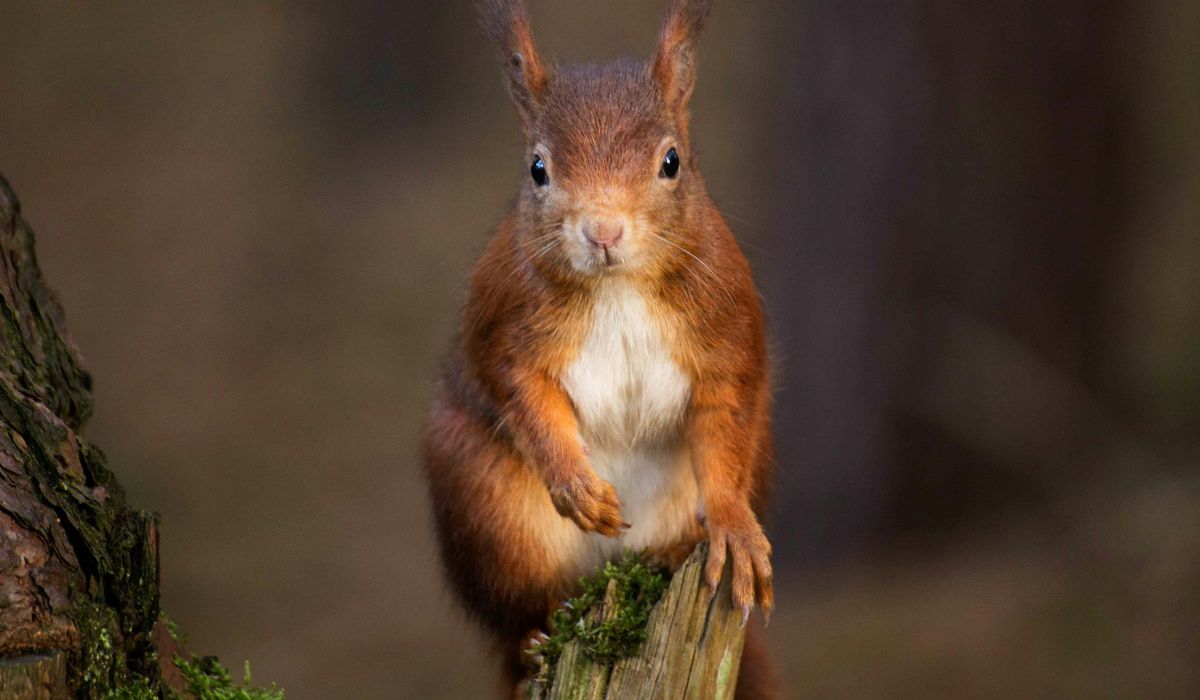
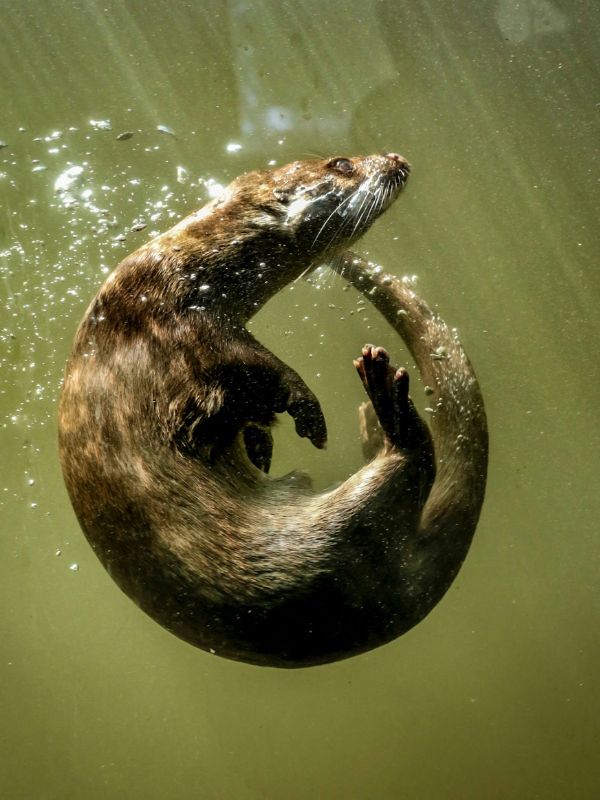
Recommendations include enhanced monitoring of all mammals living across our land, planting native trees and shrubs carefully selected to support the wildlife that call Gleneagles home, and installing new bird boxes to provide shelter and protection for a wide variety of birds. Our teams and volunteers will be recording sightings and we welcome guests to join in too. So, if you (or the kids) fancy a game of ‘I Spy’, we’d love for you to be an honorary part of the team. You might be lucky and catch sight of the largest wild mammals we have on site like roe deer, foxes or otters, while a simple walk through the woods could see you cross paths with red squirrels, pine martens or voles. If you do spot something, let us know at reception so we can add your sightings to our tallies!

Animals you can find around Gleneagles

  • Red squirrel
  • Short-Tailed Field Voles
  • Pine martens
  • Beavers
  • Fox
  • Roe deer
  • Rabbit