Perthshire’s Trunks, Unpacked

Words by Chloe Frost-Smith

Woodland wonders & wanders in Big Tree Country

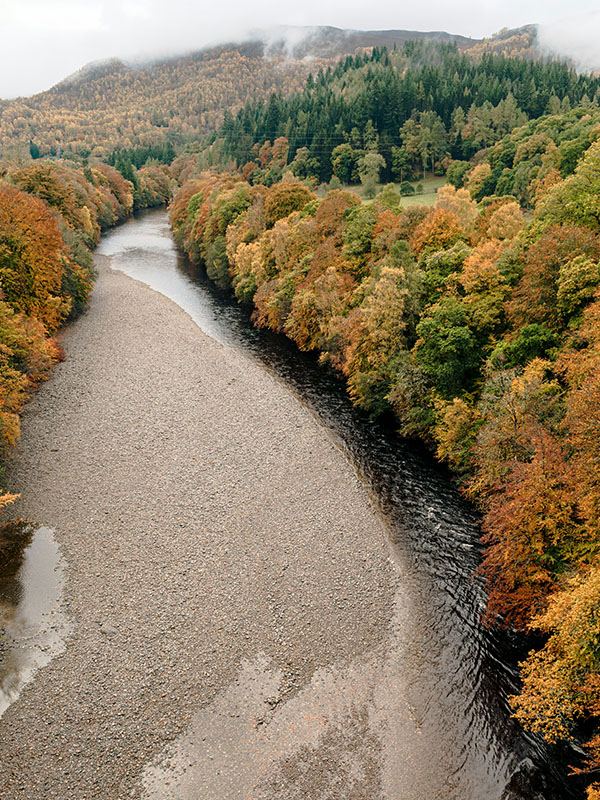
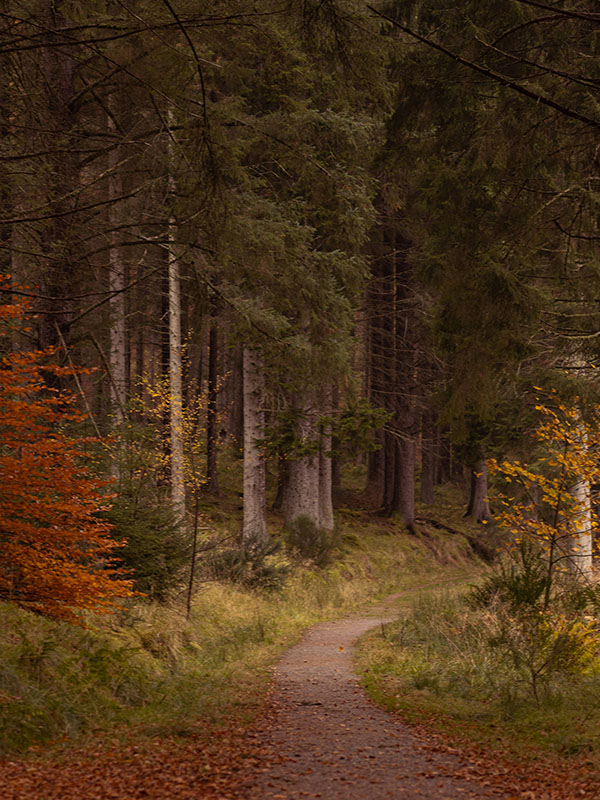
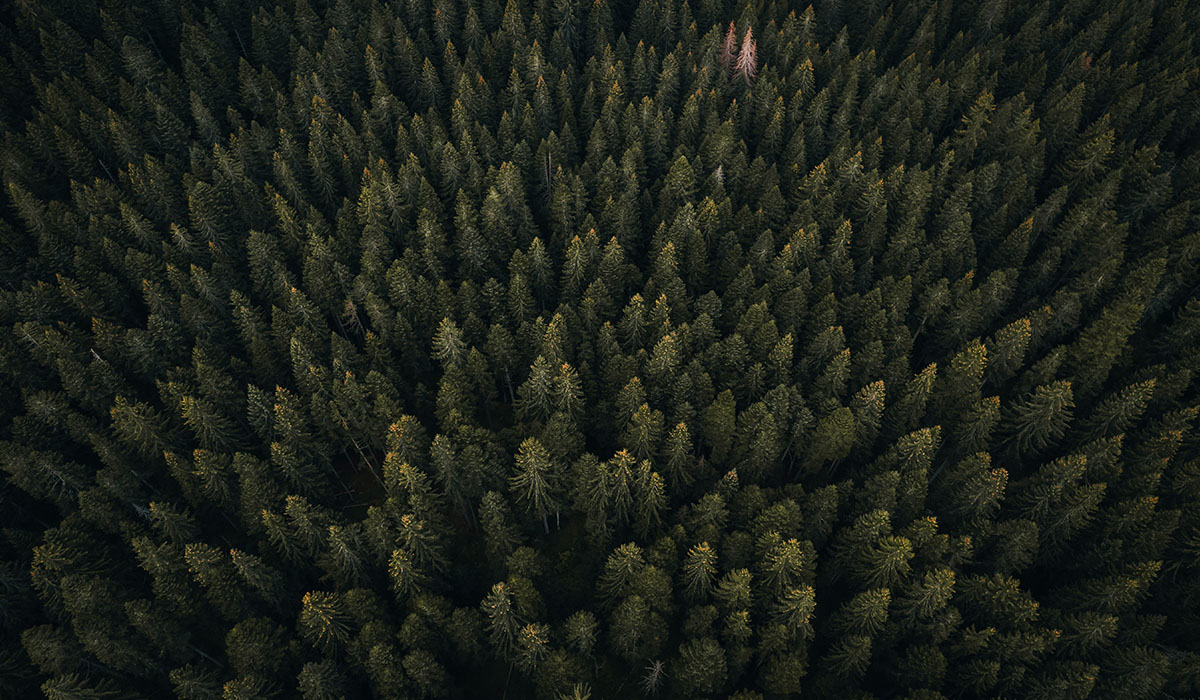
As autumn cloaks the Highlands in a dazzling display of gold, copper and bronze, Perthshire becomes a sought-after setting for leaf-peeping, forest bathing and reconnecting with nature. From sky-high conifers to secret woodland ruins, the forests surrounding Gleneagles offer an invitation to wander slowly, breathe deeply and tune into the treeline. 

From the hotel, you don’t have to venture far to unearth the magic. Head to the Hermitage at Dunkeld to see Ossian’s Hall – an 18th-century folly perched above thunderous falls – or hike up to Pine Cone Point for panoramic views over the River Tay. Further afield, for day trips to Aberdeenshire, Inverness-shire, and Angus, follow lesser-trodden forest paths to hidden landmarks like Prince Albert’s Cairn, the Alder Estate ruins, or the mysterious Henroost at Fothringham Hill.
This treescape has been carefully cultivated over time. Some were planted by Victorian explorers; others are said to have arrived in seed cannons – literally – fired across glens by eccentric dukes. The legacy continues, not only in this pocket of the Caledonian Forest, but also through ongoing initiatives like Edinburgh’s Royal Botanical Garden’s International Conifer Conservation Programme, and grassroots efforts such as Call of the Wild’s Trees for the Future project, which preserves naturally regenerative native trees.

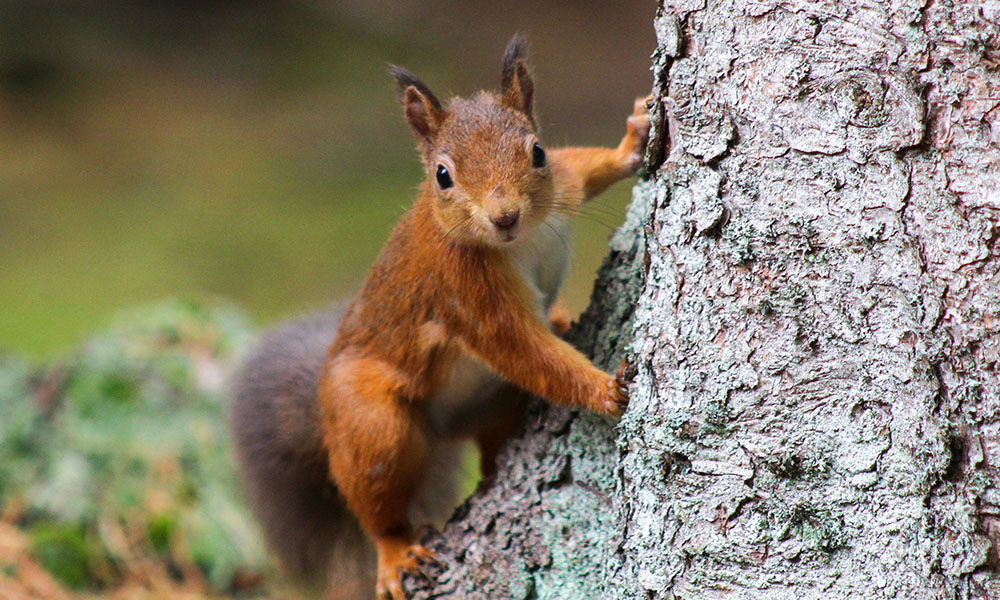
Growing some of Europe’s most remarkable trees over the centuries, Perthshire’s reputation is rooted in history and biodiversity. “We’ve always called it Big Tree Country,” says Mike Strachan of Scottish Forestry’s Perthshire division, who has been nurturing these landscapes since the 1990s. “It’s home to some of the oldest and tallest trees in the UK – record-breakers and relics of history.” And then there’s the wildlife. Red squirrels dart through branches in Glen Lednock, ospreys fish over Loch Earn, and if you’re lucky, you might hear the roar of rutting stags across the hills. “It’s a matter of being quiet and keeping your eyes open,” Strachan reminds walkers and wildlife-watchers. From the Birnam Oak of Shakespeare’s Macbeth fame to Diana’s Grove’s towering firs at Blair Castle, the tales in these parts are as tall as the trees.

And some stories are still unfolding. Near Gleneagles, Call of the Wild’s Hamish and Liberty Martin are quietly transforming Tombane Farm, their bothy cottage, into a sustainable, self-sufficient haven. “We’re working with nature, not against it,” says Hamish. “It’s about more than rewilding for us; we’re on a regenerative path that’s trying to give this land a head start.” Their smallholding sits on a rare, ancient juniper grove, now a sanctuary for threatened species. Visitors can sponsor and plant their own Scots pine, complete with certificate, tree tag, and even follow-up photographs.


It’s easy to get lost in the grandeur of it all, but in Big Tree Country, silence is sacred. “We encourage visitors to sit quietly in the forest,” continues Hamish. “Trees are communicative beings, and their language is vibration.” Call of the Wild’s guided nature walks focus on sensory awareness – smelling pine resin, hearing the owl hoot from their barn, feeling the rough bark of an oak. This kind of tree bathing isn’t new science; it’s ancient wisdom.

Spend enough time amongst the trees, and the true nature of this woodland realm reveals itself. It can be found in the silver birch groves of the Birks of Aberfeldy, the mystical stone circle of Crag Moraig that was once arranged with wooden posts and the Victorian Pinetum at Scone Palace where the original Douglas fir was planted, raised from the first seed sent back from America by David Douglas in 1827. Perthshire invites deep exploration, but also the opportunity to pause and listen, especially in the colder months. According to the Martins, “Every tree tells a story. You just have to take the time to hear it”.

Categories