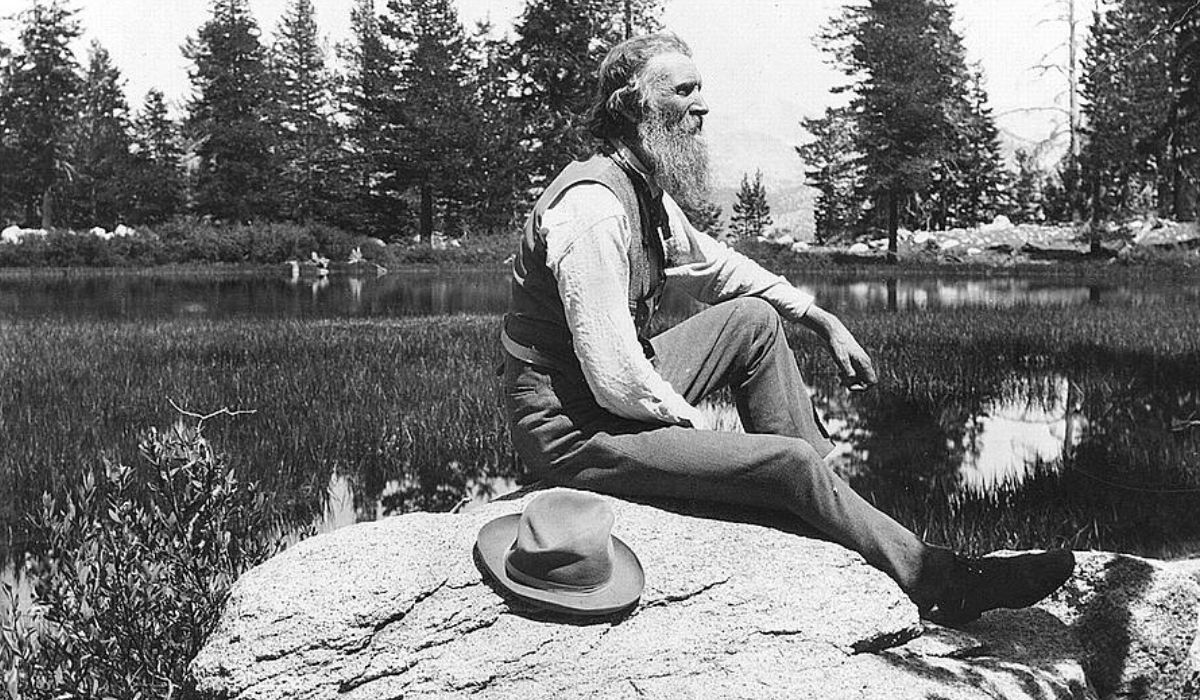
It was in 1868 that Muir – who was 5000 miles from his hometown of Dunbar – stepped off a creaking vessel and made his way out of the San Francisco dockyard. It’s rumoured that he asked a stranger for the quickest way out of the city, towards, “anywhere wild”.
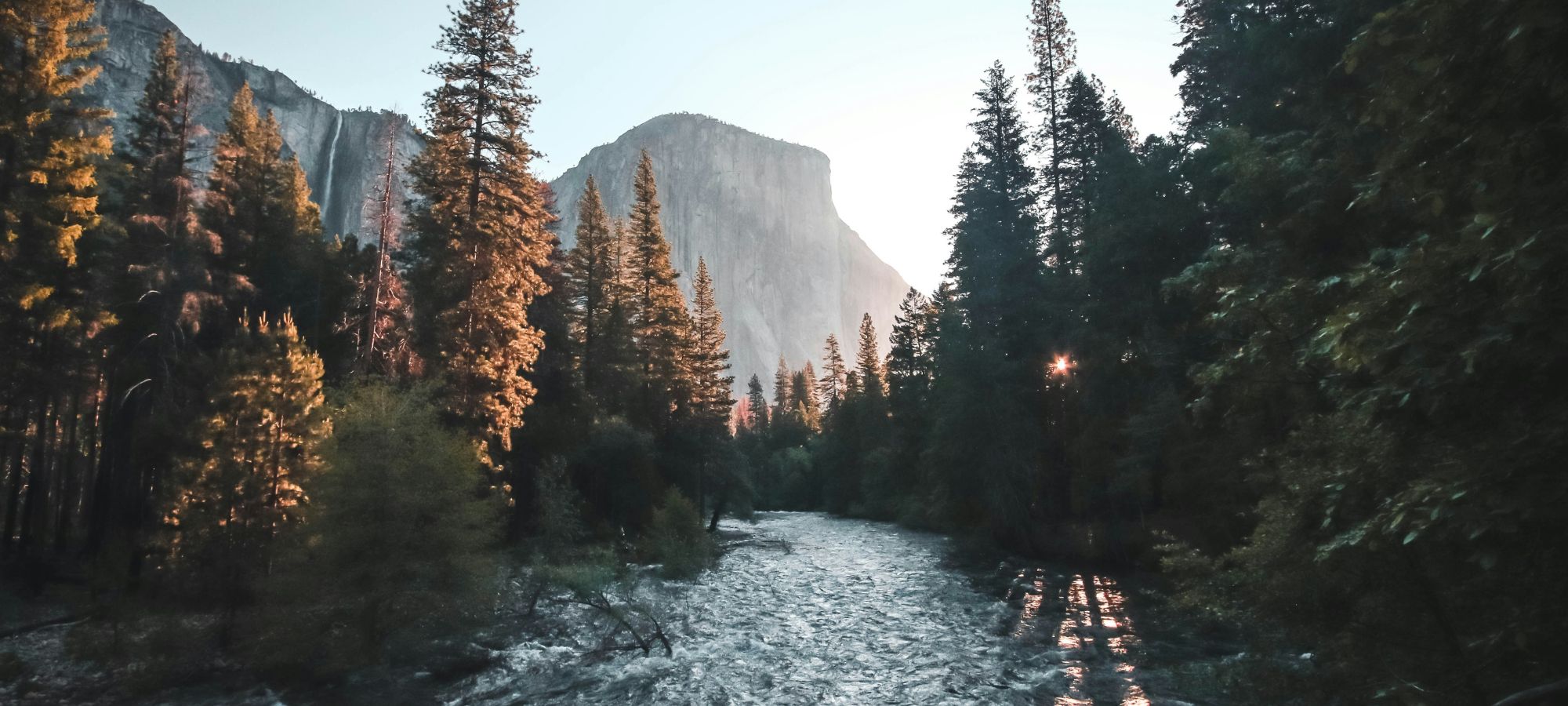
In mid-19th century West Coast America, there was a lot of ‘wild’ to choose from. Muir eventually headed towards Yosemite, where he would develop what the novelist, environmentalist and Pulitzer Prize winner Wallace Stegner would later call, “America’s Best Idea”.
That idea was to create national parks, a notion that spurred the creation of protected spaces across the world, including in his Scottish homeland. “Muir was part of a continuum”, says Jo Moulin, the Museum’s Officer for East Lothian Council who runs Dunbar’s John Muir Birthplace Museum. “He was inspired by those before him and went on to influence many others to value and protect the natural environment and to understand its crucial role in our survival.”
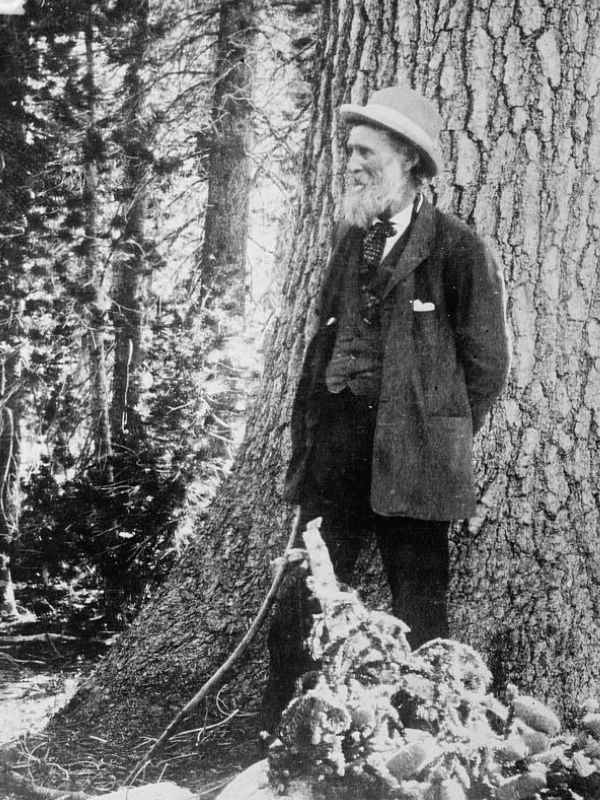
Working as a shepherd, John wandered for weeks on end. He climbed Mount Ritter, Whitney and Shasta; studied the flowers, trees and creatures of his new landscape; survived snowstorms, rode an avalanche and climbed a Douglas spruce for protection during a storm.
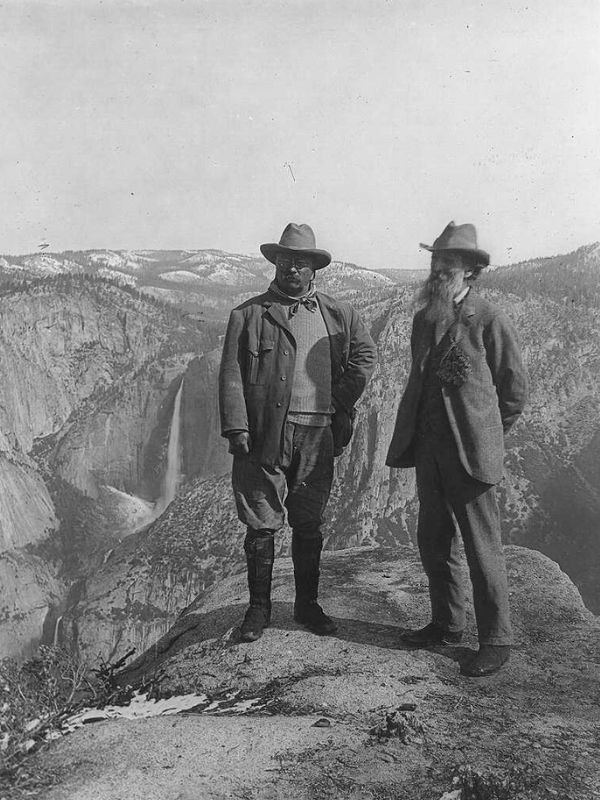
Muir’s writings for magazines and newspapers, proselytising on the wonders of nature, made him famous. But his prose became angry when loggers moved into Yosemite. He led calls for the Federal Government to protect these landscapes, eventually taking Theodore Roosevelt into the wilderness for a three-day trip of camping and lobbying.