Where The Wild Whins Are

A Guide To Scottish Gorse In Full Bloom

Words by Chloe Frost-Smith

Embraced as a spirit-lifting sight, particularly on cold, grey Scottish days, the arrival of the gorse season signals the start of brighter times ahead. 

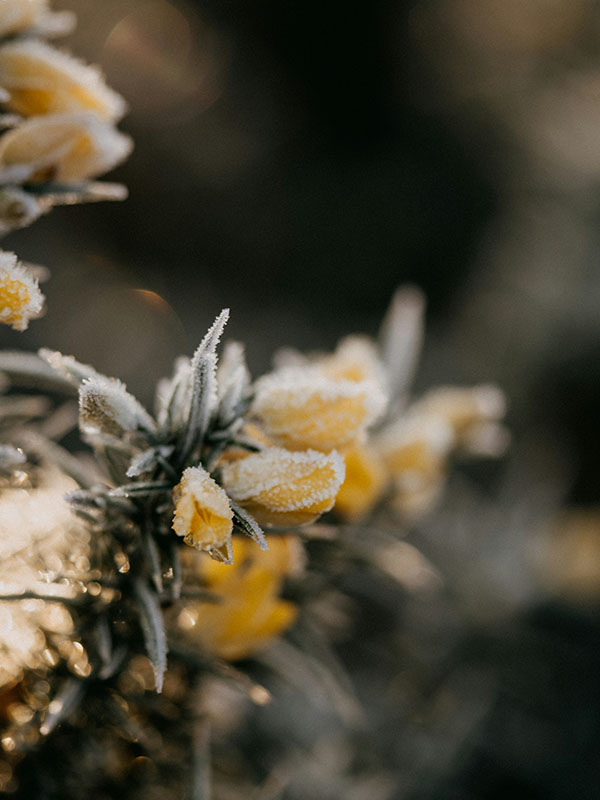
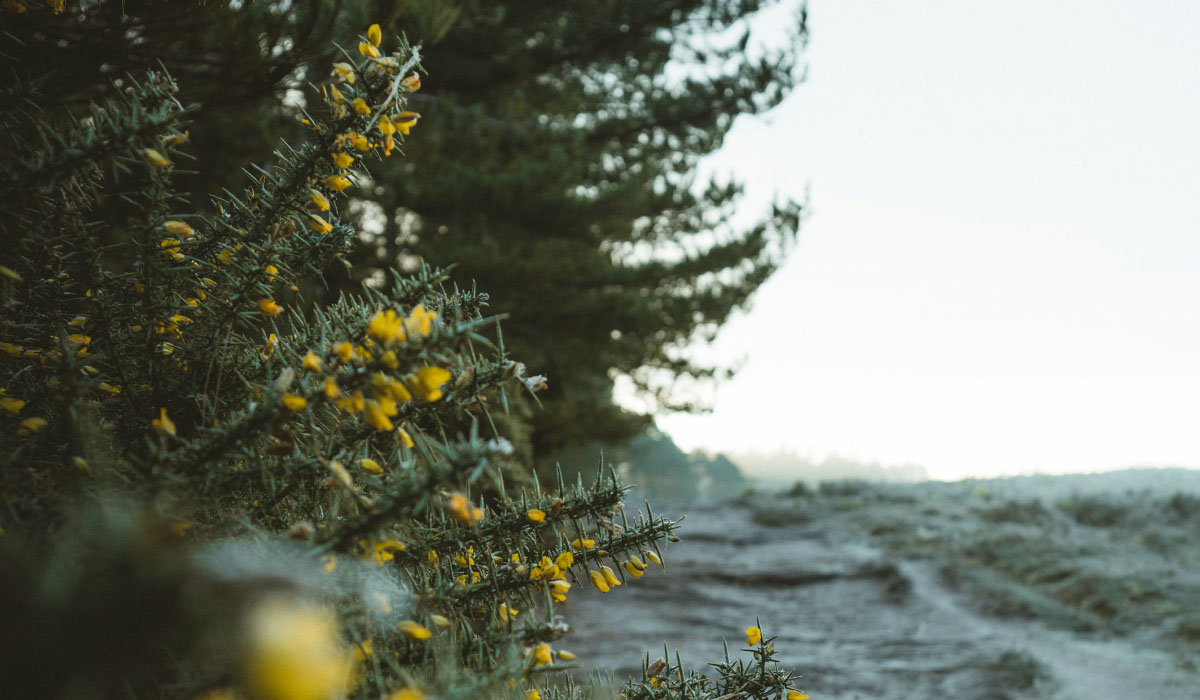
Known by many names, including whin, gorse, and furze, these yellow flowers bloom throughout the year in Scotland. Reaching their most fragrant – and vibrant – peak in spring and early summer, the evergreen shrubs which carpet much of the coastline and heathlands rival the iconic purple beauty of heather with their colourful buds and sweet coconut-like scent. 

Valued both for its protection-offering branches and golden blossom, gorse appears in the Early Medieval alphabet known as Ogham. Its old Gaelic name, Onn, is listed as an equivalent to ‘O. Other plants and trees including pine (Ogham’s ‘A’ for Ailm), birch (‘B’ for Beith), and hazel (‘C’ for Coll) were each assigned to runes, and used to write inscriptions from the 4th century across the ancient kingdom of Dál Riata, encompassing what is now Argyll, West Lochaber and the Inner Hebrides.
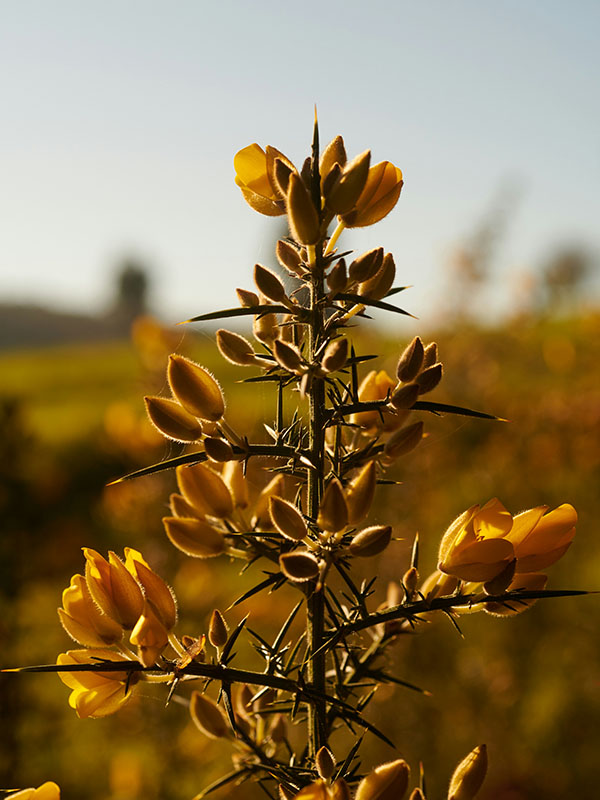
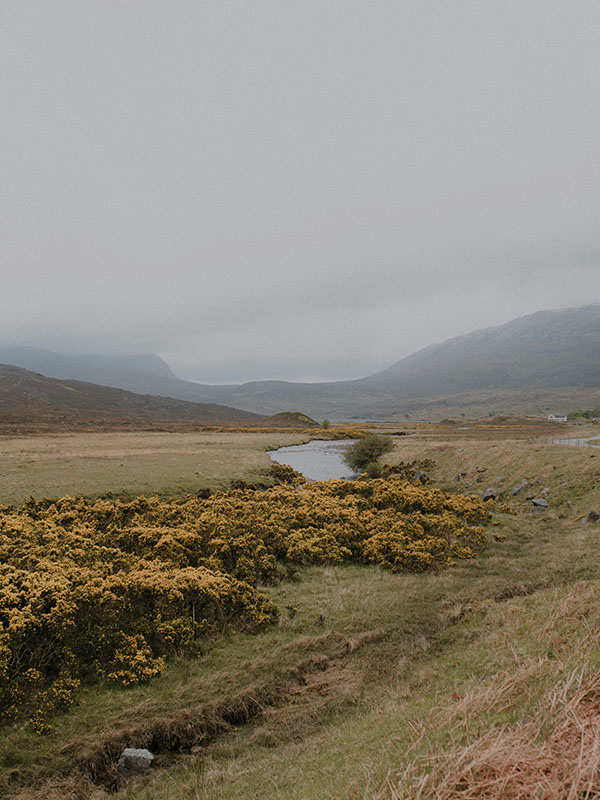
Cryptic scripts and the stuff of legends aside, gorse is also wildly practical in its varied uses, from bundling up the branches into a broom (particularly handy for chimney sweeping) to planting along golf links, riverbanks, and farmland as strong and sturdy windbreakers. Gorse flowers can be ground or hammered down and fed to livestock when other food sources are in short supply, and are a precious resource for birds, bees and roaming horses in the scarce wintertime (with the added benefit of antioxidants, which some say prevent horses from catching colds). The petals and bark have also long been used as natural dyes for clothing and to stain eggs at Easter. Gorse wood burns at fiercely high temperatures, making it a popular choice for stoking fires and fueling kilns.


A great friend to foragers too, gorse is a rare source of natural sweetness during the leaner months which can be eaten raw (in limited quantities) and added to salads, teas and other drinks, or used to garnish desserts. Best gathered while wearing gloves on a sunny morning (when the natural oils are at their most flavoursome), foraging for gorse is slow but rewarding.


As the gorse season unfolds, foragers bring back baskets laden with yellow blossom, ramblers use the cheerfully coloured field borders as natural signposts, and golfers can enjoy wind-sheltered games on Scotland’s scenic links. Visitors to Gleneagles needn’t stray far to experience gorse in some way or another, whether it’s out exploring the rolling Perthshire hills or – like Scottish writer Sir Arthur Conan Doyle – on the approach to tee time.

Categories