The Shetland Pony
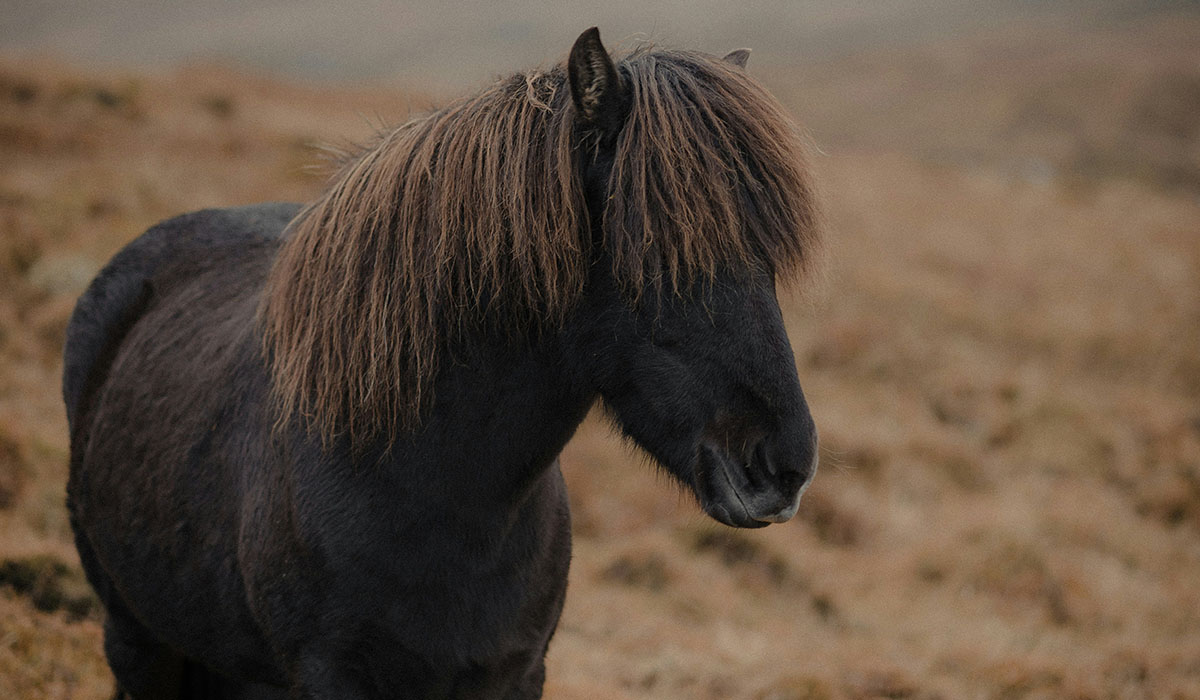
The Shetland pony is a lesson in efficiency. Small, heavily built and exceptionally strong for its height, it evolved on the Shetland Islands where food was sparse and weather unrelenting. Size was not aesthetic; it was practical. A smaller body needed less fuel, while dense bone and a thick, weatherproof coat ensured survival through winter gales and salt-laden air.
Historically, Shetlands worked crofts and shifted supplies across uneven ground. It is thought that the breed is descended from ponies brought to the Shetland Islands by Norse settlers over a thousand years ago, which would account for their hardiness in cold climates. During the Industrial Revolution, their strength and steady character led to widespread use in coal mines and textile mills across Britain — a period that cemented the breed’s reputation for resilience and reliability.
When industrial demand fell away in the 20th century, the Shetland pony entered a period of transition. What preserved the breed was not novelty, but versatility. Breed societies formed to safeguard bloodlines, and its adaptability made it equally suited to family riding, driving and educational settings.
Free-roaming Shetland ponies can still be seen across the isles today, grazing communal land year-round within one of Europe’s most exposed inhabited island groups. They stand low against the horizon, often unmoved by conditions that would send horses with more stature to seek shelter.
At Gleneagles, that practicality translates into temperament. Chelsea, the resident Shetland pony, has introduced hundreds of children to riding over the years. Her role reflects what the breed does best: being calm, trustworthy and physically capable. Not to mention, adorable.