Scotland can surely lay claim to be one of the great craft nations. Consider the many inventions the Scots have bequeathed the world that have shaped modern life: from the steam engine to penicillin; the telephone to chicken tikka masala. Beyond the romance of tartan or the kitsch appeal of Tunnocks teacakes, there’s a red thread that connects these innovations, old and new: they all share a canniness of spirit combining rigour and practicality with savoir-faire. This combination underpins much of Scotland’s cultural identity, which we call craft-based, or crafty. It describes the process of identifying a need and skilfully using a resource to meet it with flair.
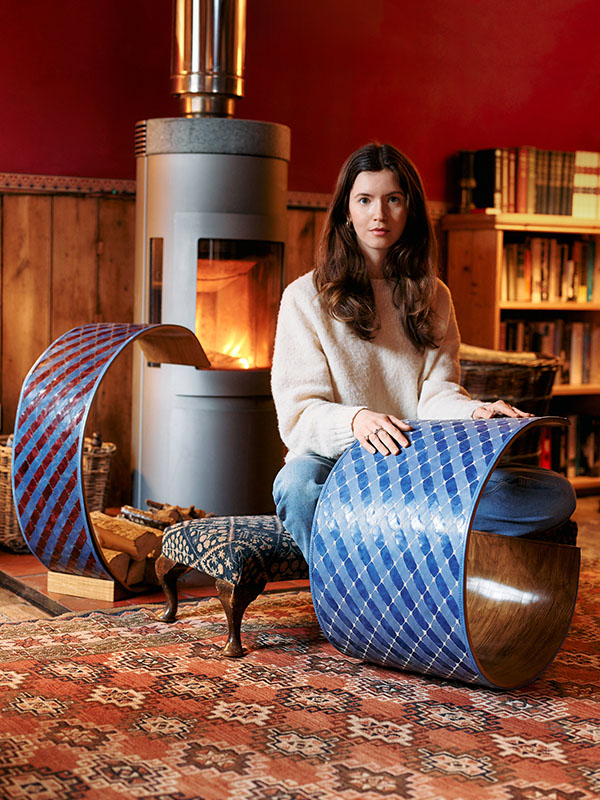
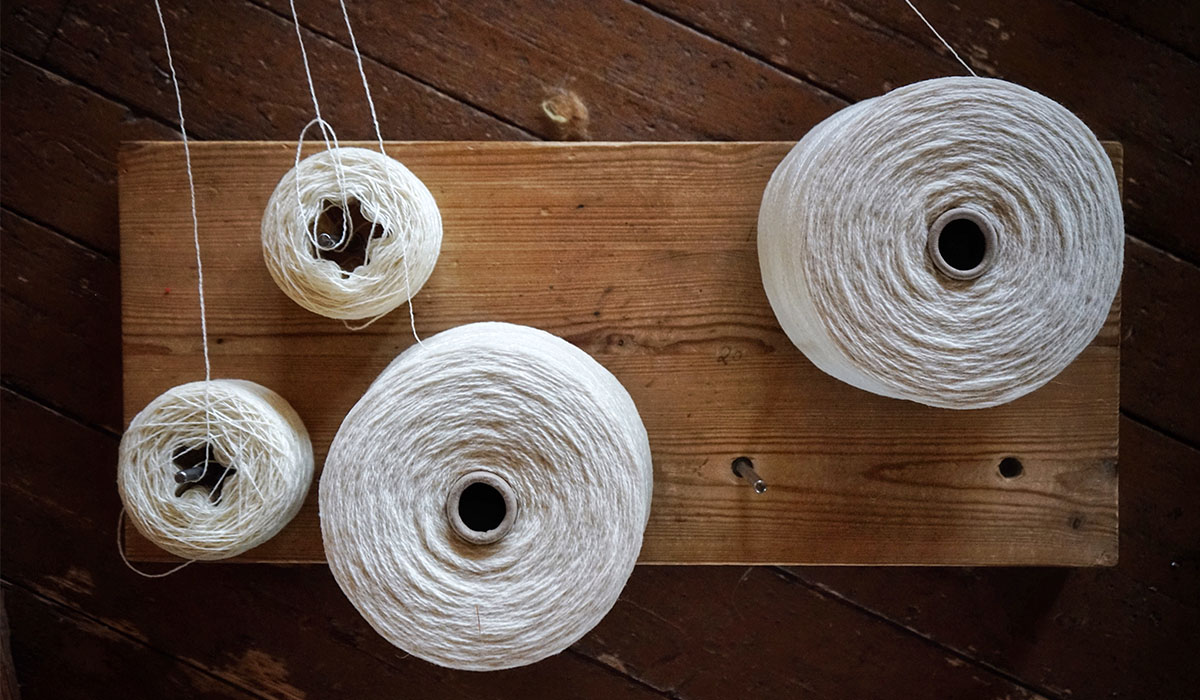
Across both the mainland and the islands, a new wave of craft practitioners are embracing heritage craft disciplines from tinsmithing to wood turning, basket weaving to bookbinding, stone carving, natural dyeing and hand-loom weaving. Some have inherited skills from family lines, others have come through a more contemporary route: Instagram rabbit holes; YouTube videos; short courses and longer apprenticeships. This emerging cohort isn’t simply preserving or copying the past; they’re translating traditions into present contexts, finding ways in which they maintain relevance and safeguarding their future practice in the process.
The rising uptake of heritage crafts is thanks in no small part to the Heritage Crafts Association’s Red List of Endangered Crafts, which celebrates its 10th anniversary this year. The Red List does something simple and powerful by researching existing practitioners and naming specific crafts at risk of extinction each year when their viability reaches a critical level. By putting endangered skills in red, the Heritage Crafts Association highlights something tangible, shareable and actionable. Each year this list receives countless column inches and airtime. The nation’s hearts are captured when we are told that we’re down to the last few folk able to weave horsehair or make pianos and glass eyes.
Heritage crafts don’t survive on sentiment alone, and awareness only goes so far without the money to pay for time, materials, space and enough energy to keep the workshop lights on. Since 2019 the Heritage Crafts Association has awarded 15 training bursaries to early-career practitioners in Scotland and 19 grants to mid-level Scottish practitioners to help them grow their businesses. Dedicated financial support is crucial; commissions and grants can enable specialist tools, supporting a trainee’s wages or giving an established practitioner breathing room to teach. For crafts that exist on the edge of viability such backing isn’t just helpful it can be the difference between continuation and collapse.
Scotland’s island and rural communities have long relied on the practicalities of making, and the allegiance to craft here is better understood as a continuation rather than a revival. At the same time traditional practitioners are finding younger audiences with a renewed appreciation for craft as a counterpoint to globalised mass-manufacturing. “Buy less, buy better” and the “cost-per-use” calculator are more actively deployed by Gen-X than Boomers. Social platforms allow for the possibility of global connection and market channels, irrespective of geographical remoteness and the pains of tariff-hit trading. The momentum is real, and all over Scotland you find plucky individuals and collectives caretaking heritage crafts in their own guise. They’ll tell you they are driven not by quaint tugs on the heartstrings but because heritage crafts are part of who we are, where we come from and they can offer us paths for the future too. Scotland’s craft surge isn’t about preserving traditions in aspic, it’s about keeping knowledge in motion: teacakes and all.
Five contemporary Scottish practitioners tell us why heritage craft matters today.